TRAINING (2.5.1)

The scientific competence aims at supporting the research of biodiversity. It facilitates the co-operation of scientists and policy-makers in the administration department, in politics, economy and society.more

Image: LaMantarraya, stock.adobe.commore

Biodiversity at the Swiss Open-Air Museum Ballenberg
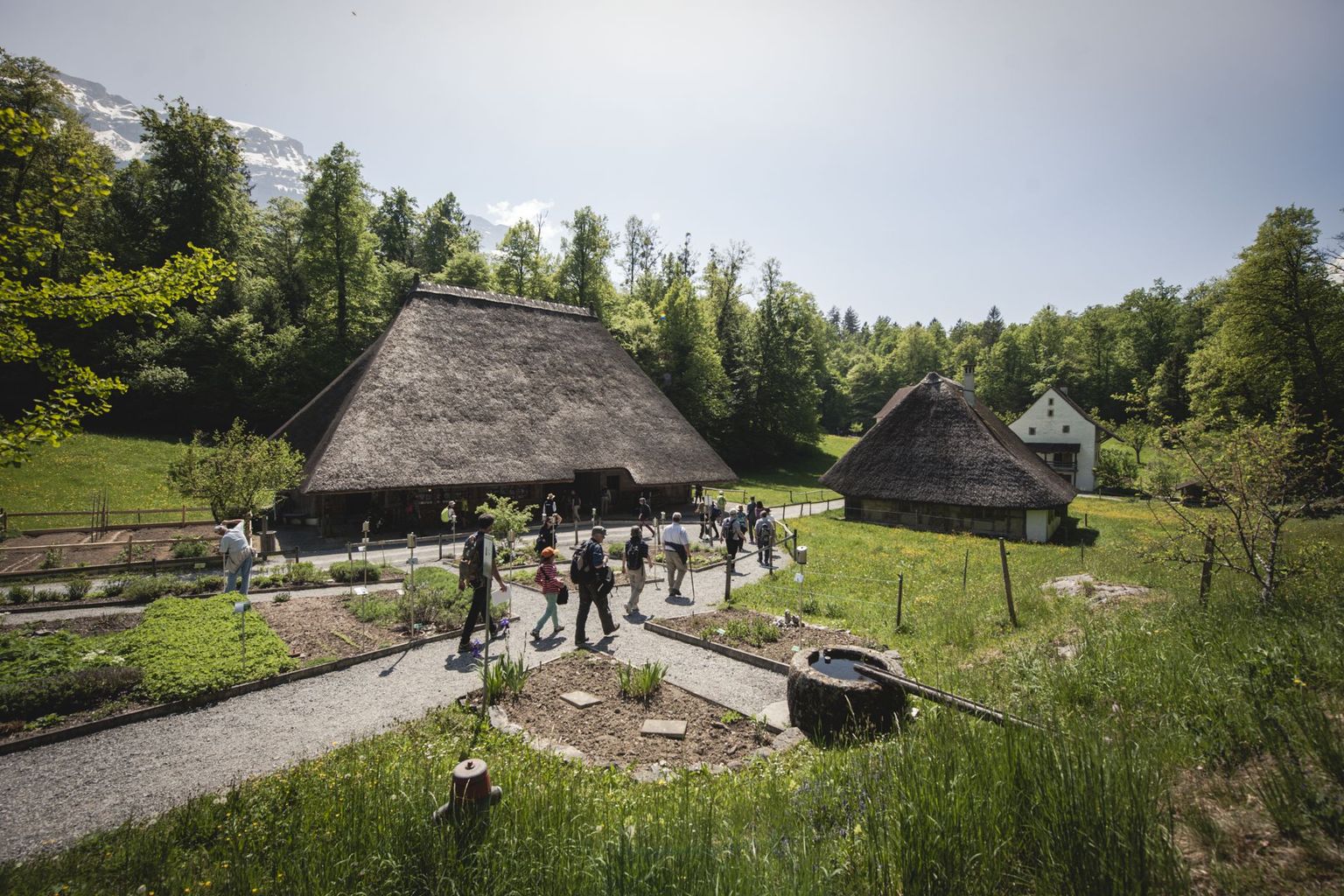
  • The Swiss open-air museum Ballenberg is making biodiversity its annual theme for the 2025 season.
  • The museum invites visitors to discover biodiversity and its connections to the cultural landscape and architectural culture.
  • The traditional houses provide a habitat for many plant and animal species.
  • Structures in the cultural landscape provide many animal species with nesting and hiding places.
  • Centaurea cyanus
  • Osmia leaiana
  • Malva neglecta
  • Tettigonia viridissima
  • Papaver rhoeas
  • Mustela erminea
  • Oxalis stricta
  • Hirundo rustica
  • The Swiss open-air museum Ballenberg is making biodiversity its annual theme for the 2025 season.Image: Sarah Michel1/12
  • The museum invites visitors to discover biodiversity and its connections to the cultural landscape and architectural culture.Image: Sarah Michel2/12
  • The traditional houses provide a habitat for many plant and animal species.Image: Sarah Michel3/12
  • Structures in the cultural landscape provide many animal species with nesting and hiding places.Image: Sarah Michel4/12
  • Centaurea cyanusImage: CC BY-NC-ND; Françoise Alsaker via infoflora.ch5/12
  • Osmia leaianaImage: CC BY-SA 4.0 Albert Krebs via ETH Zürich E-Pics6/12
  • Malva neglectaImage: CC BY-NC-ND Françoise Alsaker – via infoflora.ch7/12
  • Tettigonia viridissimaImage: CC BY-SA 4.0; Albert Krebs via ETH Zürich E-Pics8/12
  • Papaver rhoeasImage: CC BY-NC-ND; Durch Copyright geschützt via infoflora.ch9/12
  • Mustela ermineaImage: CC BY-SA 4.0; Kurt Bauschardt via Wikimedia Commons10/12
  • Oxalis strictaImage: CC BY-NC-SA; Christophe Bornand via infoflora.ch11/12
  • Hirundo rusticaImage: CC BY-SA 3.0; Michael Gäbler via Wikimedia Commons12/12
  • The Swiss open-air museum Ballenberg is making biodiversity its annual theme for the 2025 season.
  • The museum invites visitors to discover biodiversity and its connections to the cultural landscape and architectural culture.
  • The traditional houses provide a habitat for many plant and animal species.
  • Structures in the cultural landscape provide many animal species with nesting and hiding places.
  • Centaurea cyanus
  • Osmia leaiana
  • Malva neglecta
  • Tettigonia viridissima
  • Papaver rhoeas
  • Mustela erminea
  • Oxalis stricta
  • Hirundo rustica
The Swiss open-air museum Ballenberg is making biodiversity its annual theme for the 2025 season.Image: Sarah Michel1/12

The Swiss Open-Air Museum Ballenberg is known for its buildings, cottage gardens and cultural landscapes. However, many people are unaware that the museum is home to a wide range of habitats, a great variety of species and numerous breeds of farm animals and varieties of cultivated plants, and that it has great potential to further promote biodiversity on its grounds.

In 2025, Ballenberg will make natural diversity even more visible and tangible. With the annual theme ‘Biodiversity – Ballenberg in Bloom!’, the museum invites visitors to discover biodiversity and its connections to the cultural landscape and architectural culture. It shows how nature and humans have been interacting for centuries and how cultivation can promote biodiversity. The Swiss Biodiversity Forum provides the museum with expert support.

A tour with specially marked stations shows, for example, how arable flora grows in harmony with cereals, how vineyards provide habitats for plants, reptiles and insects, or how ruderal vegetation can flourish near traditionally built houses. The Ballenberg's approaches to agriculture combine extensive management, regenerative methods and the promotion of biodiversity.

Each station invites visitors to become active themselves and to promote biodiversity within their own means. The Ballenberg season runs from 10 April to 2 November 2025.